



Format
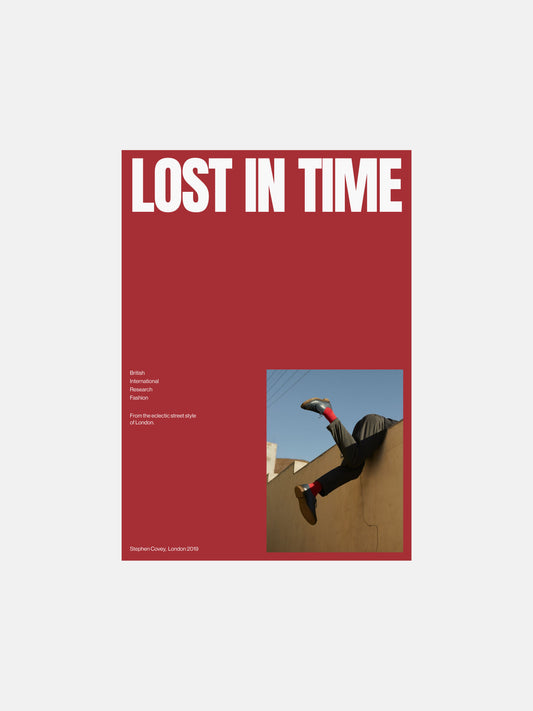
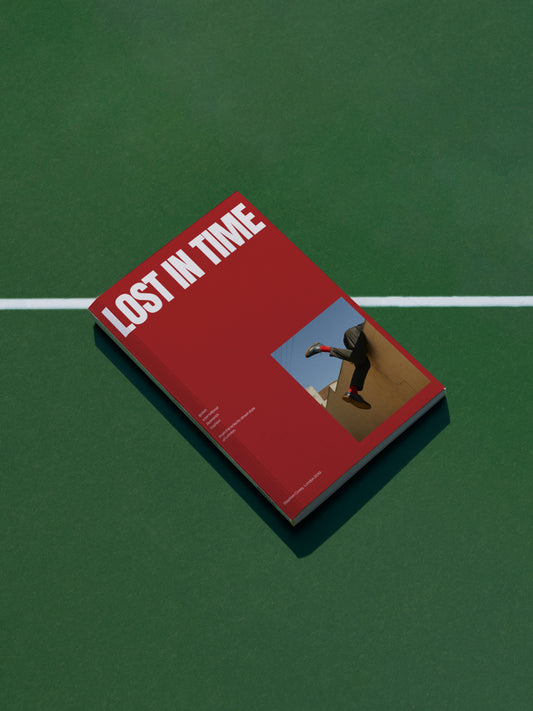
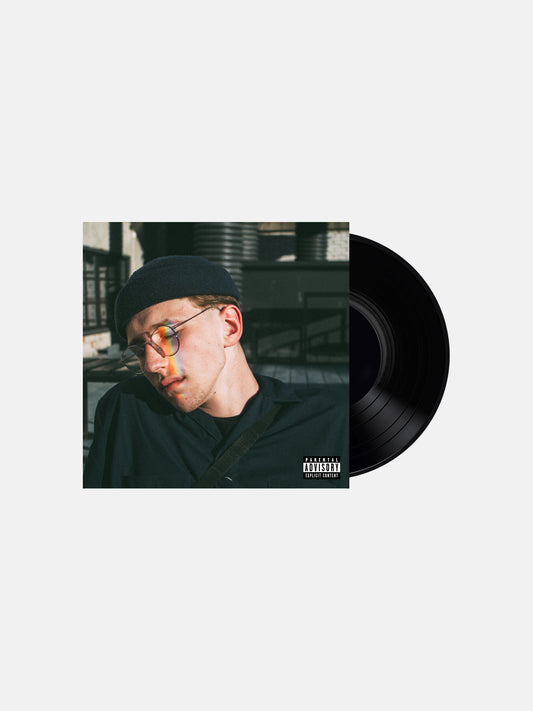
Vinyl records and printed editions offer a different way of engaging with content, one that is built around time, attention, and a more deliberate pace. Instead of quickly moving between tracks or scrolling through fragmented pieces of information, these formats encourage you to stay with a single release, allowing the full structure of an album or publication to unfold without interruption.
This slower approach creates a more focused experience where each part connects naturally to the next. Tracks are heard in sequence, pages are read in order, and the overall flow becomes clearer. Over time, this leads to a deeper understanding of the content, as nothing is skipped or reduced to short, disconnected moments.
As this becomes part of a routine, the difference becomes more noticeable. Listening feels more complete, reading feels more immersive, and the experience as a whole becomes more consistent. Rather than being shaped by speed and convenience, it is shaped by continuity and presence.
“ What you choose to return to defines the value of your collection.”
by Helen Smith
This is why physical formats continue to hold their place. They are not designed to compete with digital convenience, but to offer something different — a stable, reliable way to experience music and print with fewer distractions and more clarity over time.
Usage
-
Start with items you know you will return to, not just what looks appealing at the moment.
-
Choose formats that fit naturally into your daily habits and available time.
-
Keep quality consistent so each item performs reliably with repeated use.
Records and printed editions are made to be used regularly, and their value becomes clearer through repetition. A record that plays clean across multiple listens or a publication that remains comfortable to read over time becomes part of your routine, rather than something that sits unused.


Handling these formats also introduces a level of awareness that is often missing in digital consumption. You notice how a record feels, how pages turn, how sound or print quality holds up over time. These small details contribute to a more grounded and tangible experience.
This naturally changes how content is consumed. Instead of moving quickly from one piece to another, you spend more time with each item, allowing it to settle and have a stronger presence. The result is a more stable and consistent way of engaging with music and reading.
Over time, this leads to more intentional choices. Rather than constantly adding new items, the focus shifts toward maintaining a collection that is used, understood, and appreciated through regular interaction.
Collection
A collection is not defined by its size, but by how often it is used. Records that are played regularly and editions that are read more than once create a stronger and more meaningful collection than items that remain untouched over time.
Consistency in quality plays a central role in this. Clean playback, balanced sound, and durable print ensure that each item continues to perform as expected. This reliability makes it easier to return to items without hesitation, knowing they will deliver the same experience each time.
Storage and handling are equally important in maintaining that consistency. Keeping records properly protected and printed editions in stable conditions helps preserve their quality and extends their usable lifespan. Small habits, repeated over time, make a noticeable difference.

As the collection grows, its direction becomes clearer. It reflects personal habits, preferences, and patterns of use rather than random additions. Each item earns its place through repeated use and continued relevance.
In the end, a collection becomes a reflection of how it is lived with. The items that remain in rotation, that are played, read, and revisited without effort, are the ones that define its real value over time.